

Article: Cricket Ball Size and Weight by Age: Senior, Women and Junior

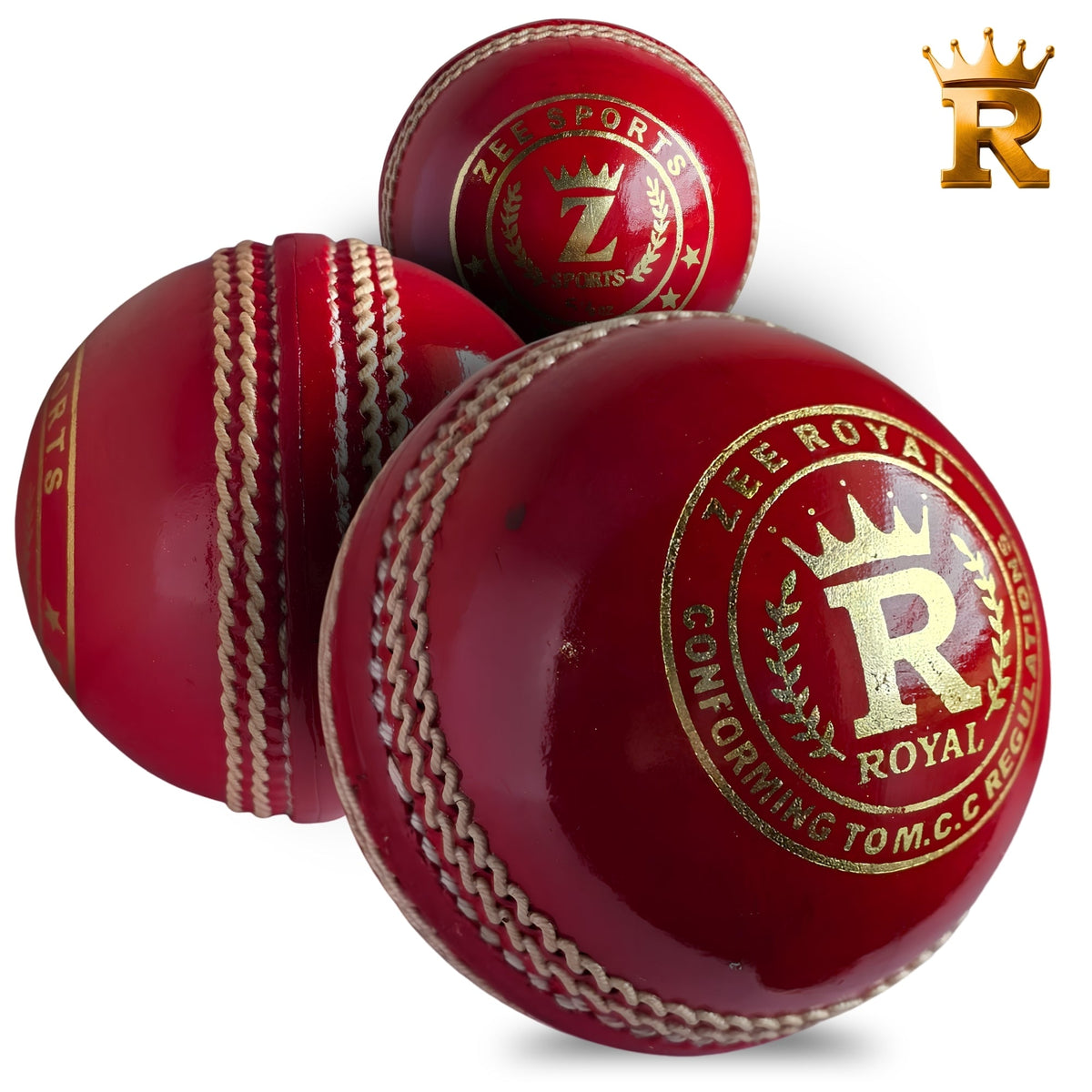
Cricket Ball Size and Weight by Age: Senior, Women and Junior
Cricket balls come in three standard sizes under the Laws of Cricket: Size 1, Size 2 and Size 3. Using the right one matters for safety and for developing proper technique. Here are the official specifications and practical guidance on which ball to use.

Official ball sizes (MCC Law 4)
The current Laws of Cricket, maintained by the MCC, define three ball sizes by weight and circumference when new:
| Size | Weight | Circumference | Typically used in |
|---|---|---|---|
| Size 1 | 5.5 – 5.75 oz (156 – 163 g) | 8.81 – 9 in (22.4 – 22.9 cm) | Men's and senior open-age cricket |
| Size 2 | 5 – 5.25 oz (142 – 149 g) | 8.46 – 8.66 in (21.5 – 22 cm) | Women's cricket and many older junior age groups |
| Size 3 | 4.69 – 4.84 oz (133 – 140 g) | 8.07 – 8.27 in (20.5 – 21 cm) | Younger junior age groups |
Who decides?
Under Law 4.6 the governing body responsible for the match decides which size of ball is used. The 'typically used in' column is a general guide; always follow your league or association's playing conditions.
Which ball for which age?
The Laws no longer tie ball sizes to specific ages; governing bodies set them. In practice, younger juniors use the lightest ball, older juniors and women commonly use the middle size, and senior men use the heaviest. Younger children often start with softer balls, tennis balls or training balls before progressing to leather.
What is a cricket ball made of?
A traditional ball has a cork core wound with string, encased in two or four pieces of leather stitched together with a raised seam. The hard, dense construction is what gives the ball its bounce, carry and seam movement, and why protective gear is essential.
Red, white and pink balls
Red balls are traditional for longer formats and white clothing. White balls are used with coloured clothing in limited-overs cricket because they are easier to see under lights and against coloured kit. Pink balls were developed for day-night Test cricket. Read more in red vs white vs pink cricket balls.

Balls for practice
For practice, many players use lower-grade leather balls, synthetic or vinyl training balls, or tennis balls depending on the drill. Training balls reduce wear on match balls and can be safer for beginners.
See all cricket balls and our guide to types of cricket balls.
Caring for leather balls
Keep leather balls dry and store them at room temperature. Wipe off mud after play. A ball that gets wet loses shape and hardness faster. Rotating practice balls and keeping a fresh ball for matches helps both last longer.
Read our cricket ball care guide for more detail.
Choosing the right ball for a session
| Session | Suggested ball |
|---|---|
| Batting nets vs pace | Leather, appropriate weight for age |
| Catching drills | Training or softer balls for beginners |
| Backyard / casual | Tennis or tape ball |
| Matches | As set by league playing conditions |
Grades of ball
Within each size, balls come in grades for different levels of play. Top-grade balls are hand-stitched with selected leather and are built to keep their shape over a full innings. Lower grades suit practice and junior matches. Machine-stitched and synthetic balls are cheaper still and are common for training. The right grade depends on the level of cricket and the league's requirements.
| Ball type | Best for |
|---|---|
| Top-grade leather (hand-stitched) | Senior matches |
| Mid-grade leather | Club and junior matches, nets |
| Synthetic / vinyl training | Practice, beginners, wet conditions |
| Tennis / tape ball | Casual play, tennis-ball leagues |
How long does a cricket ball last?
A match ball is designed to be used for a set number of overs, depending on the format and conditions. Over time it softens, the seam flattens and the shine wears. In practice, older match balls make excellent net balls. Keeping a ball dry and storing it properly helps it keep its shape longer.
See also how to choose the right cricket ball and how to identify a high-quality ball.
Safety when moving up a size
Moving up a ball size increases weight and hardness. Make sure young players have well-fitted protective gear before facing a heavier ball, and introduce it gradually in nets. Coaches often run a few sessions with the new ball before a player uses it in matches.
Ball colour and visibility
Ball colour is chosen for visibility against clothing and conditions. Red balls stand out against white clothing in daylight. White balls are easier to see under floodlights and against coloured clothing, which is why they are used in most limited-overs cricket. Pink balls were introduced for day-night Test cricket. For practice, any colour suits as long as players can see the ball clearly.
Quick reference
| Question | Answer |
|---|---|
| Heaviest ball under the Laws | Size 1: 5.5 – 5.75 oz |
| Lightest ball under the Laws | Size 3: 4.69 – 4.84 oz |
| Who chooses ball size | The governing body for the match (Law 4.6) |
| Core material | Cork wound with string |
| Cover | Leather, stitched with a seam |
Choosing a ball for your league
Before buying match balls, check three things in your league's playing conditions: the required size, the colour (red, white or pink), and any approved brands or grades. Buying practice balls of the same size helps players train with the weight they will face in matches.
Quick answers on balls
Can I use a Size 1 ball for junior practice?
It is safer to practise with the size your league specifies for that age group.
Do synthetic balls bounce like leather?
They behave differently; they are best for training rather than as a substitute in matches.
How should I store cricket balls?
Dry, at room temperature, away from direct heat.
Frequently asked questions
What size cricket ball for under-13s?
It is set by the league or governing body. Many junior age groups use a Size 3 (133–140 g) or Size 2 (142–149 g) ball; check your league's playing conditions.
What size cricket ball do women use?
Women's cricket commonly uses a Size 2 ball: 5–5.25 oz (142–149 g), 8.46–8.66 in in circumference, as set by the governing body.
How much does a cricket ball weigh?
A Size 1 (men's) ball weighs 5.5–5.75 oz (156–163 g) when new.
What is a cricket ball made of?
A cork core wound with string, covered in stitched leather.
Why is a cricket ball red?
Red is the traditional colour used with white clothing in longer formats.
Which ball is best for practice?
Lower-grade leather, synthetic training or tennis balls, depending on the drill and the player's level.
Match balls and training balls for every level.
Shop cricket balls
Leave a comment
This site is protected by hCaptcha and the hCaptcha Privacy Policy and Terms of Service apply.