



Zee Sports Journal · Bat Care
Knock In Your New Cricket Bat Before You Play: A Guide to Making It Last
You just picked up a brand-new English willow bat. It looks great, it feels great, and you want to take it straight to the nets. We get it. But hold off for a few days. What you do before the first ball has a lot to do with how long that bat lasts.
At Zee Sports International in Manassas, Virginia, we explain bat knocking to customers almost every day. Here's what you need to know.
What Is Bat Knocking?
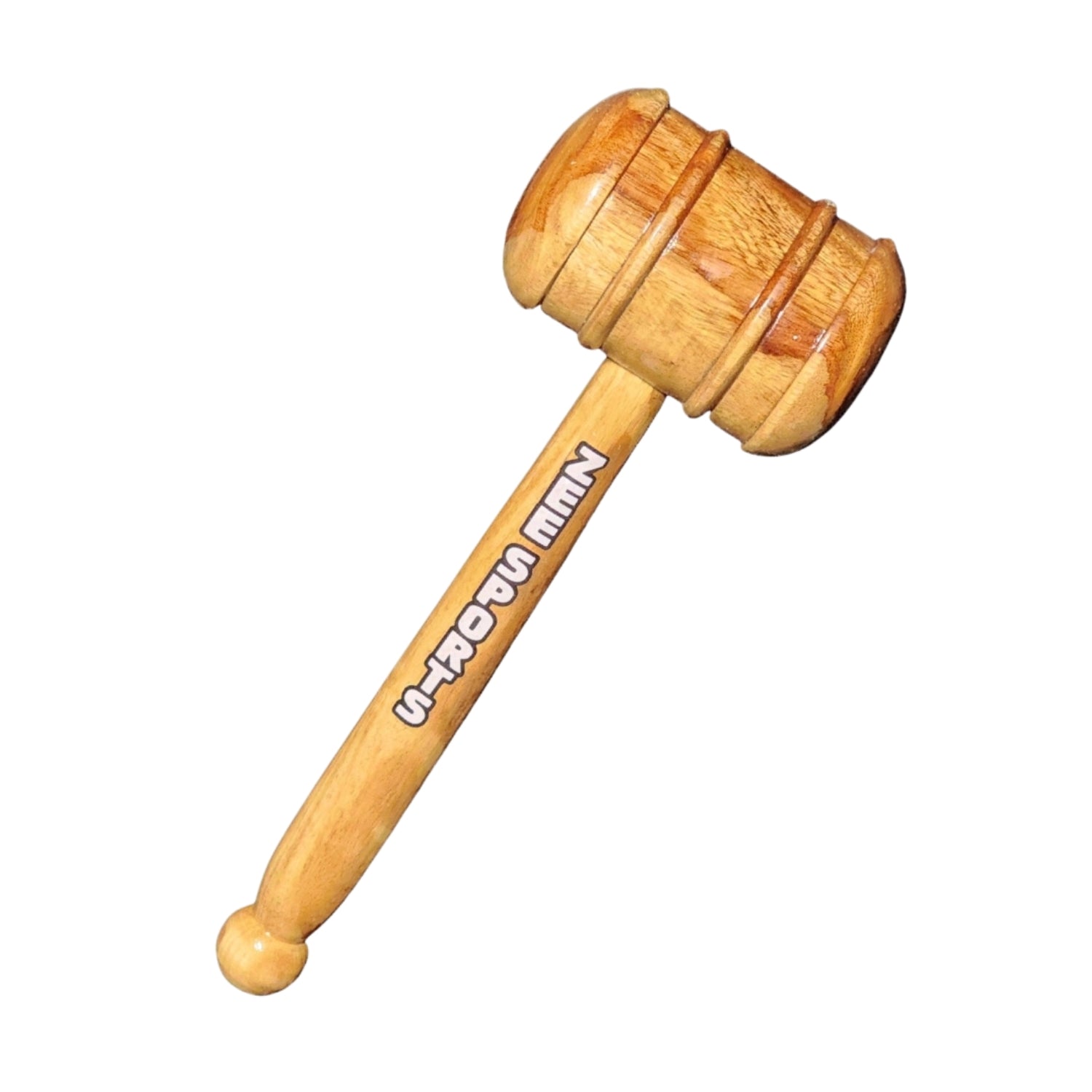
English willow is a natural wood. On a new bat, the fibers in the face are still soft. Knocking means tapping the face and edges over and over with a mallet so those fibers press together and harden.
The result is a tougher hitting surface that can handle a hard leather ball.
1. Knock In Your Bat Before You Ever Use It
Knock your bat in before you use it in a match or a net session. If you skip this step and face a new ball at full pace, you risk cracks on the face and damage to the edges and toe, sometimes in the first week.
A few hours of knocking up front can save you the cost and heartbreak of a broken bat.
Don't Trust the "Fully Knocked" Sticker Alone
Many bats come with a sticker on the face that says "Fully Knocked." Before you take that at face value, confirm the bat has actually been knocked in. Many companies have been just pasting the sticker on without doing the work.
Ask the seller how the bat was knocked and for how long. Look at the face and edges: a properly knocked bat has a firm, compressed surface and slightly rounded edges. If you're not sure, bring it to us and we'll check it for you.
2. Season Your Bat So It Doesn't Break
We highly recommend seasoning your bat. It's one of the best ways to keep it from cracking or breaking.
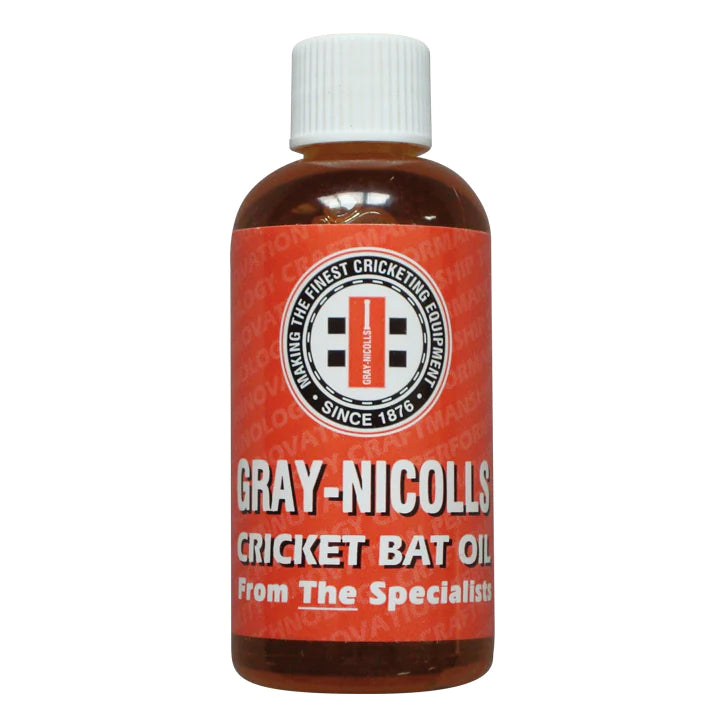
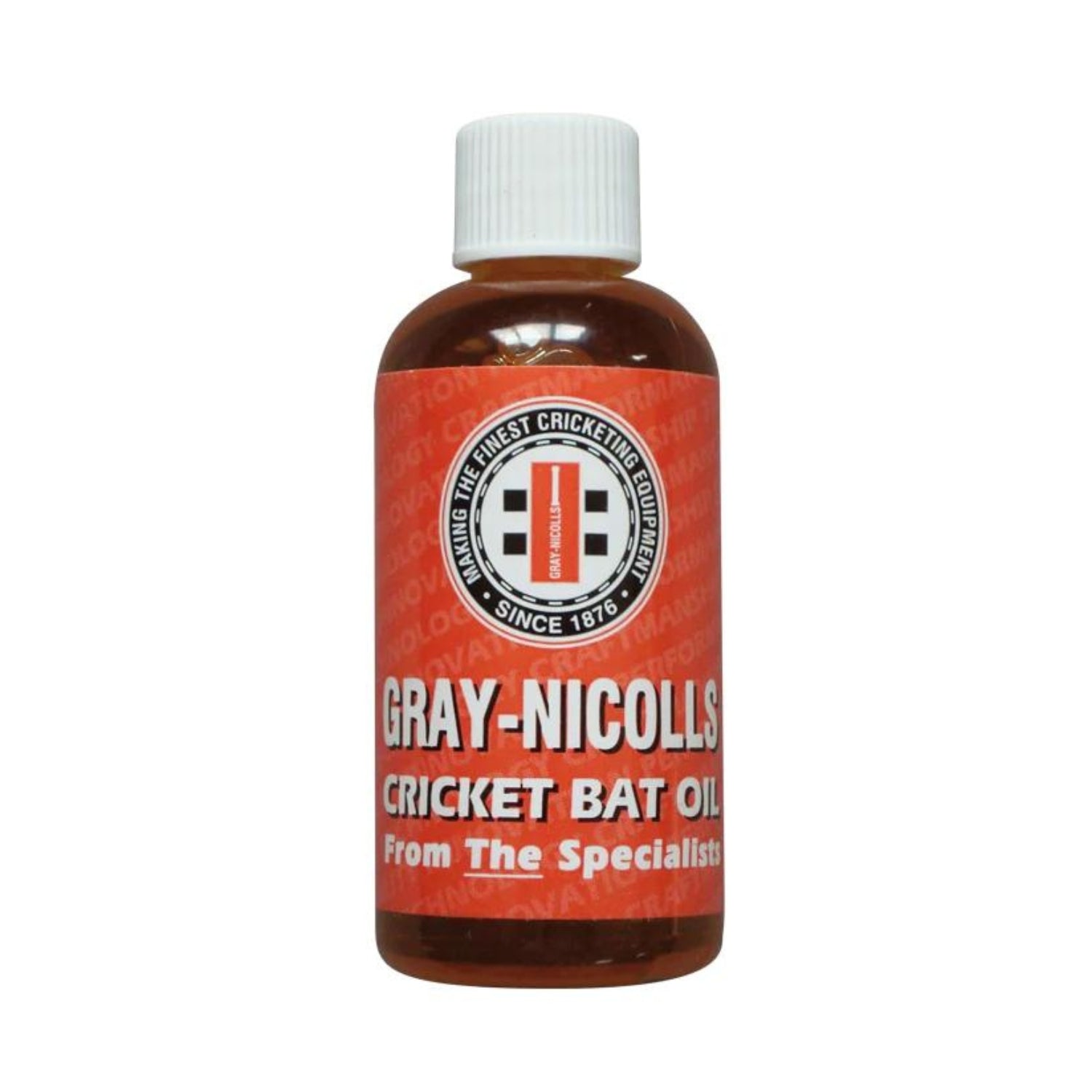
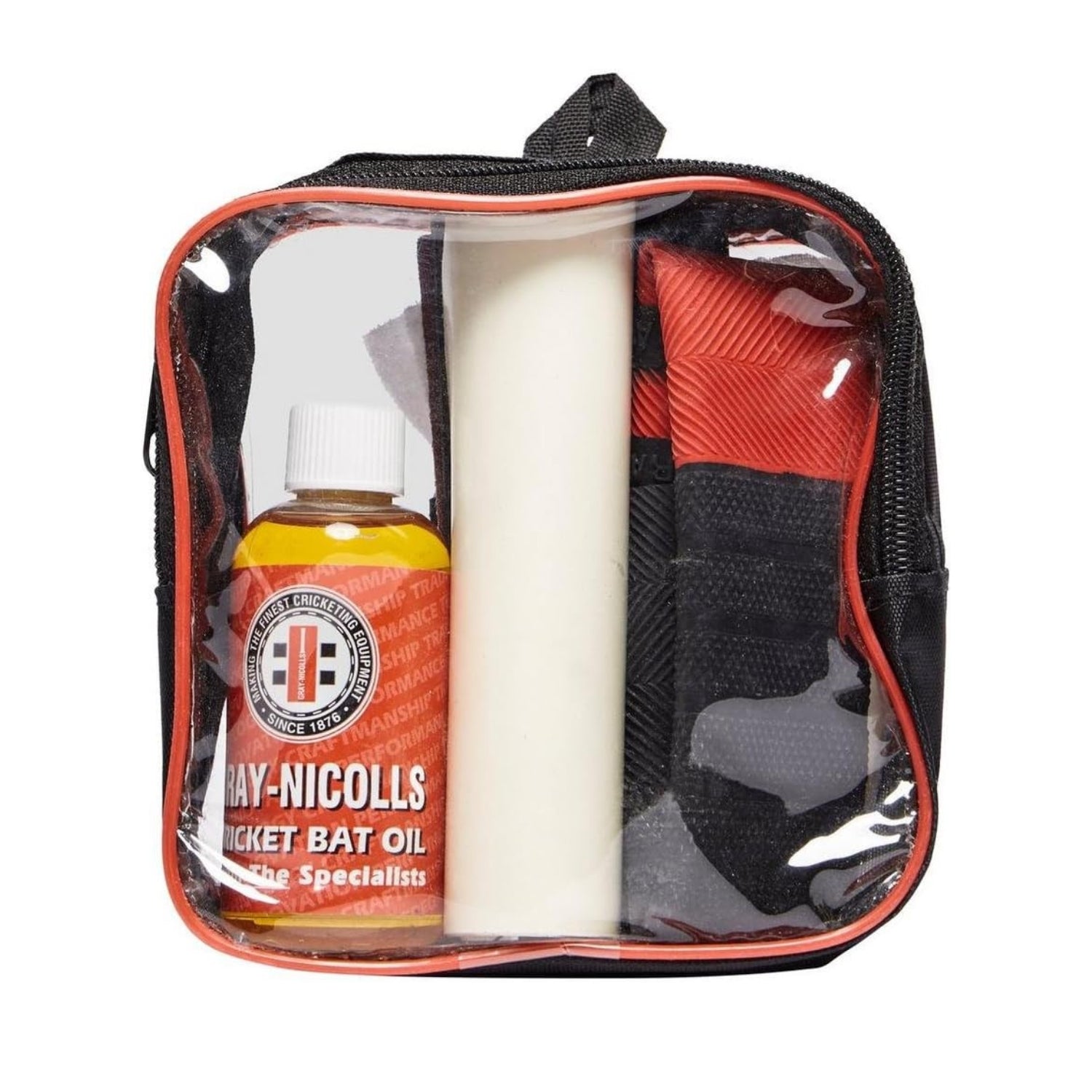
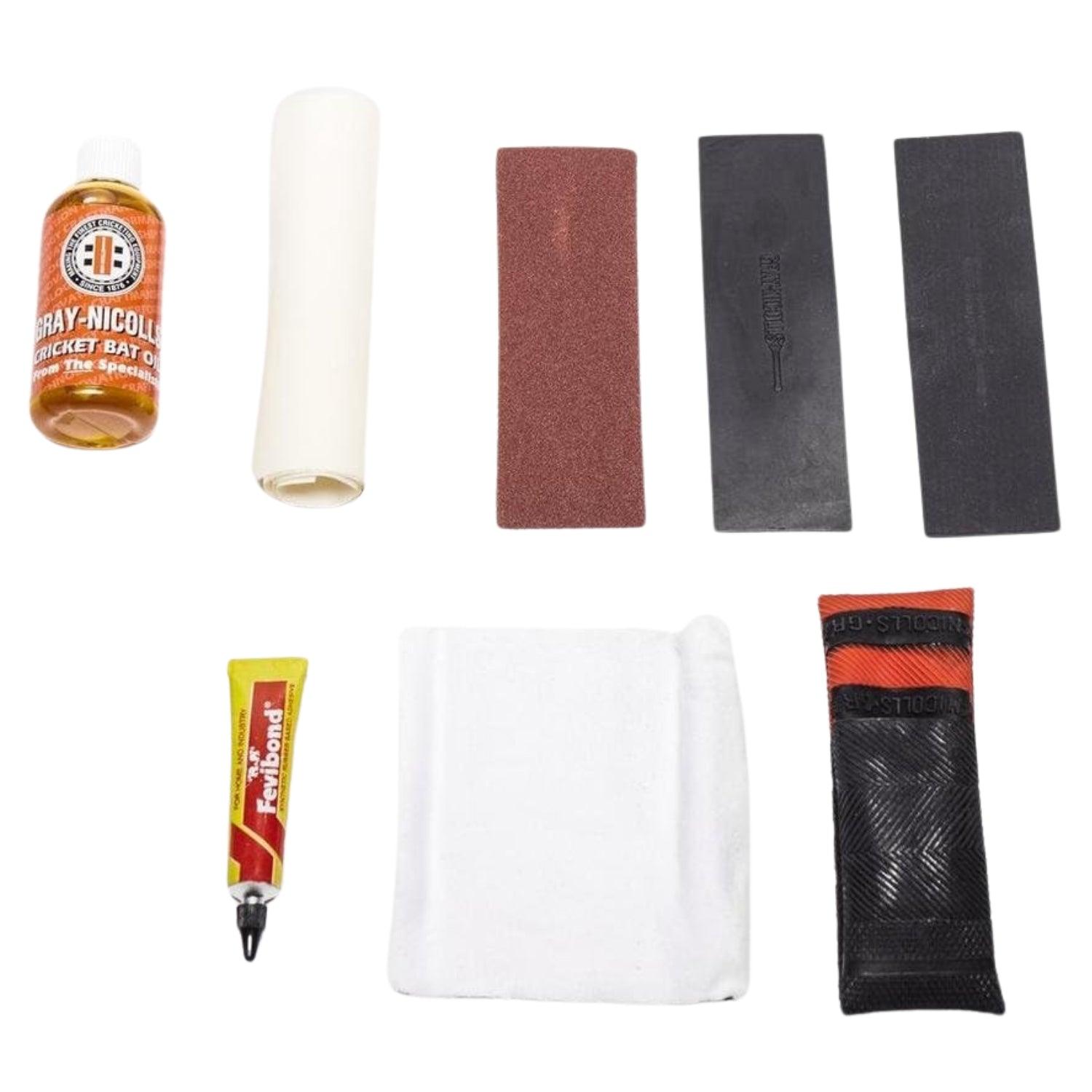
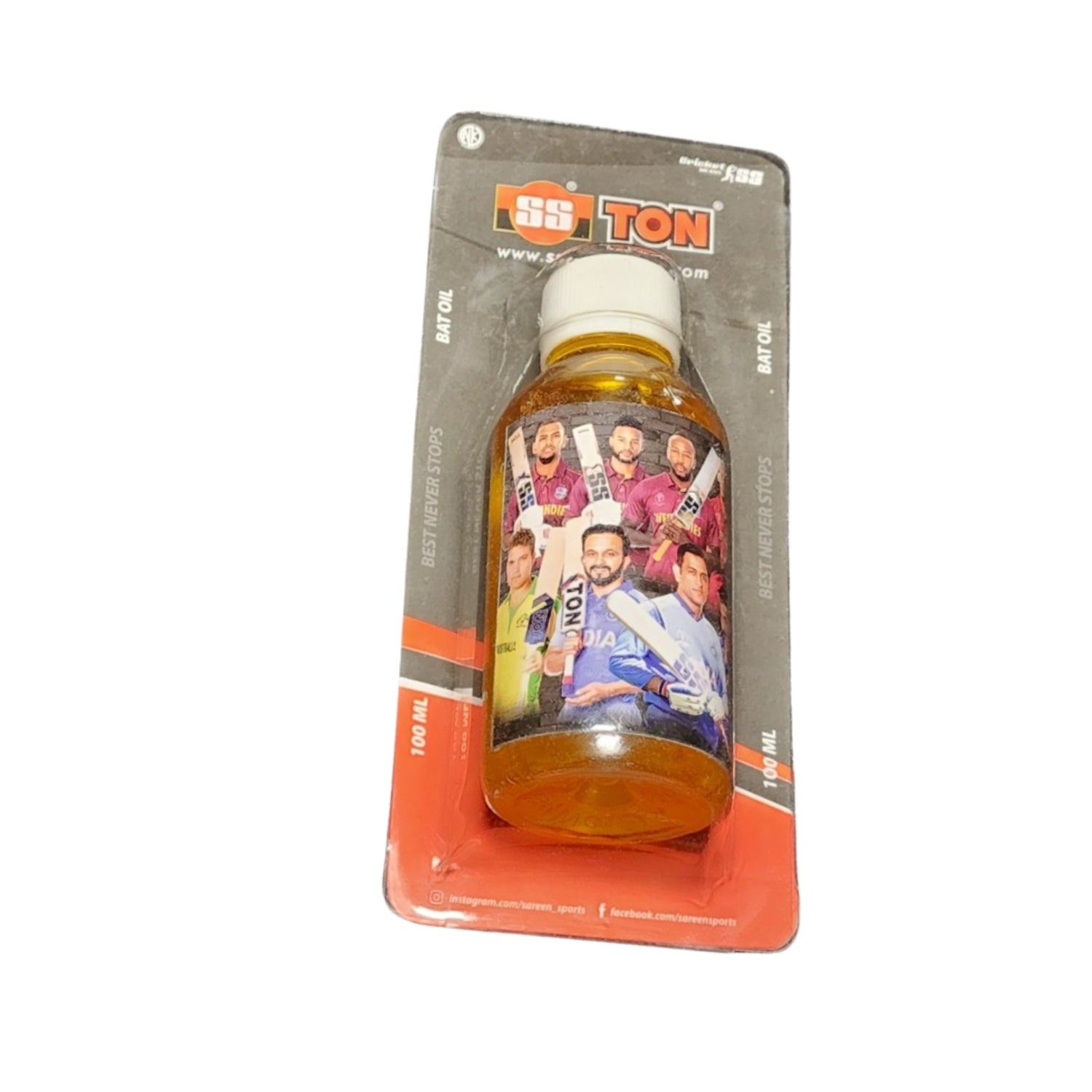
- Oil lightly. Apply a thin coat of raw linseed oil to the face, edges, and toe.
- Avoid the stickers and handle. Keep oil off the labels, splice, and grip.
- Don't overdo it. Too much oil makes the willow heavy and dead.
- Let it soak in, then start knocking gently and build up to firmer taps. Take extra care around the edges and toe.
- Play it in. Hit soft throwdowns with an old ball before you face real pace.
3. Play With a Good-Quality Ball
This one is often overlooked. Cheap, poorly made balls can be too hard, out of shape, or rough on the seam, and they can damage even a well-knocked bat.
A good-quality leather ball is kinder to the willow, lasts longer, and gives you a better game.
Treat Your Bat Like You Treat Your Phone
Think about your cell phone. Over the years you put case after case on it — even though a phone almost never gets hit by a hard cricket ball. You do it because the phone matters to you.
Treat your bat with the same respect. Keep it in the cover that came with it whenever you're not playing. If you're not using scuff sheets regularly, oil the face lightly at least once every three months so the willow stays protected.
Free Knocking on English Willow Bats $499+
Buy an English willow bat for $499 or more from Zee Sports and we'll knock it in for free, so it's ready to play the right way.
Note: this process is for English willow, leather-ball bats. Tape tennis bats don't need knocking.
The Bottom Line
Knock it in before you play (and don't rely on a "Fully Knocked" sticker), season it so it doesn't break, use a good ball, and keep treating it with care — cover it and oil it when you're not using scuff sheets. Do those things and your bat will look after you for seasons to come.
Questions? Visit us at 10756B Ambassador Drive, Suite 201, Manassas, VA 20109, or call (703) 485-4800.


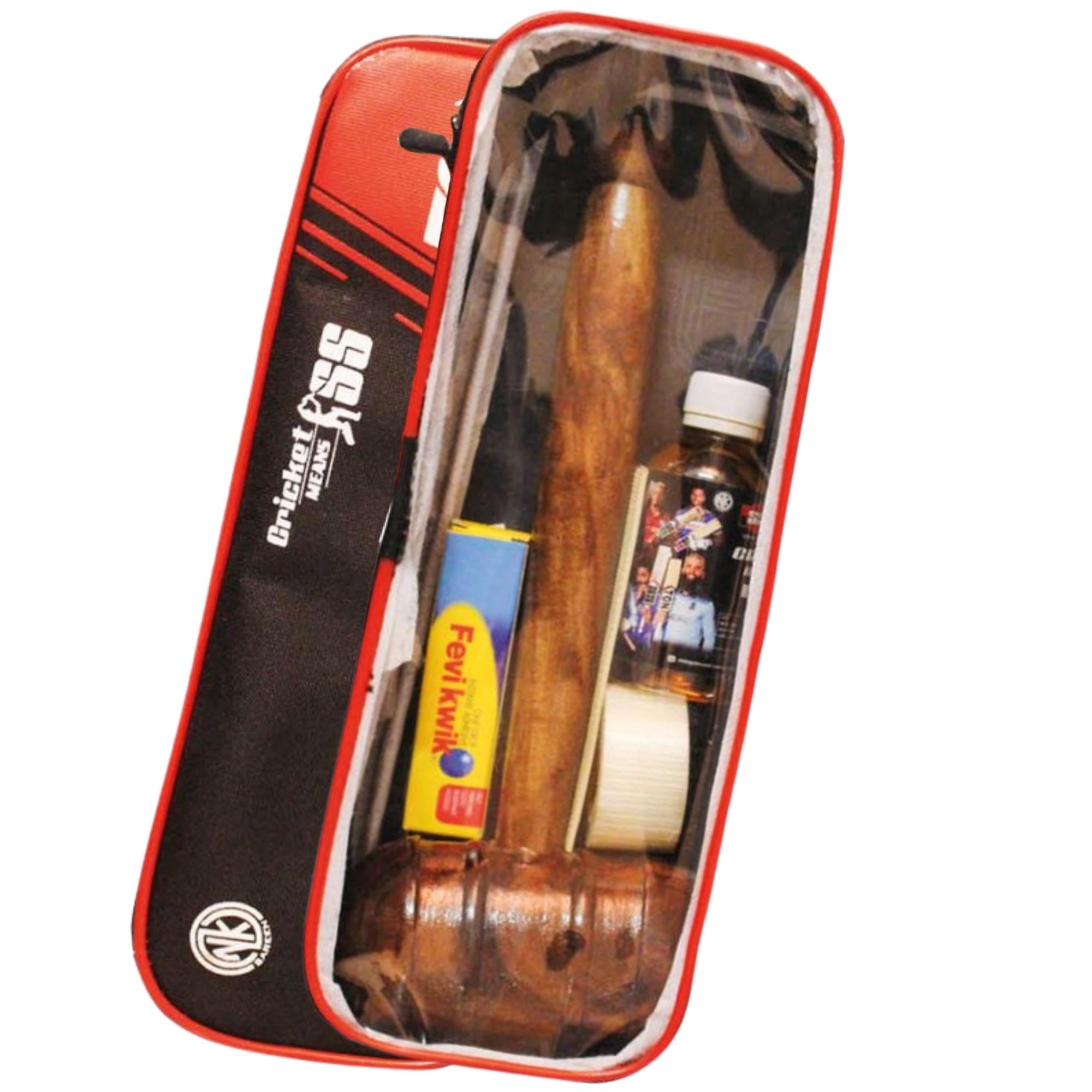
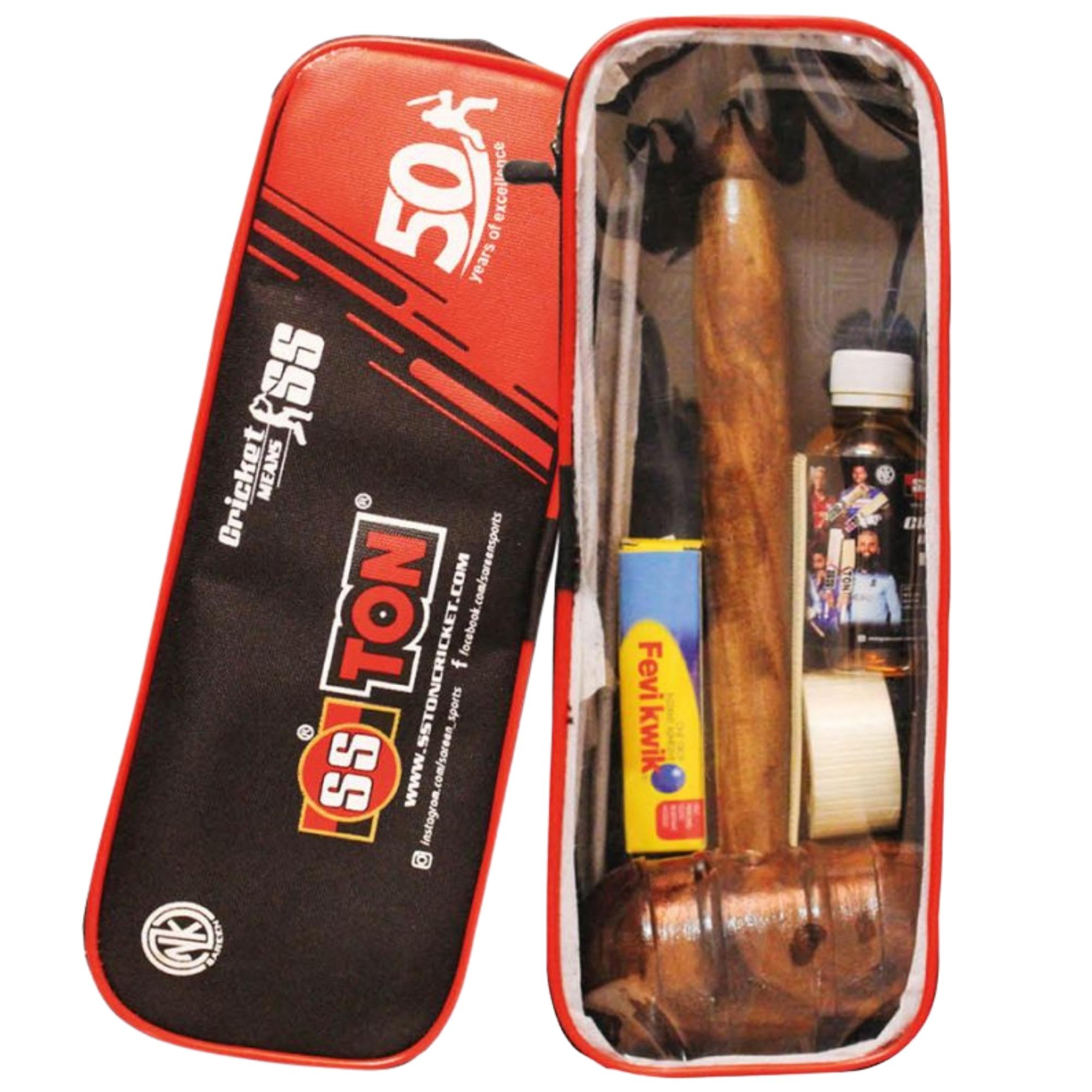


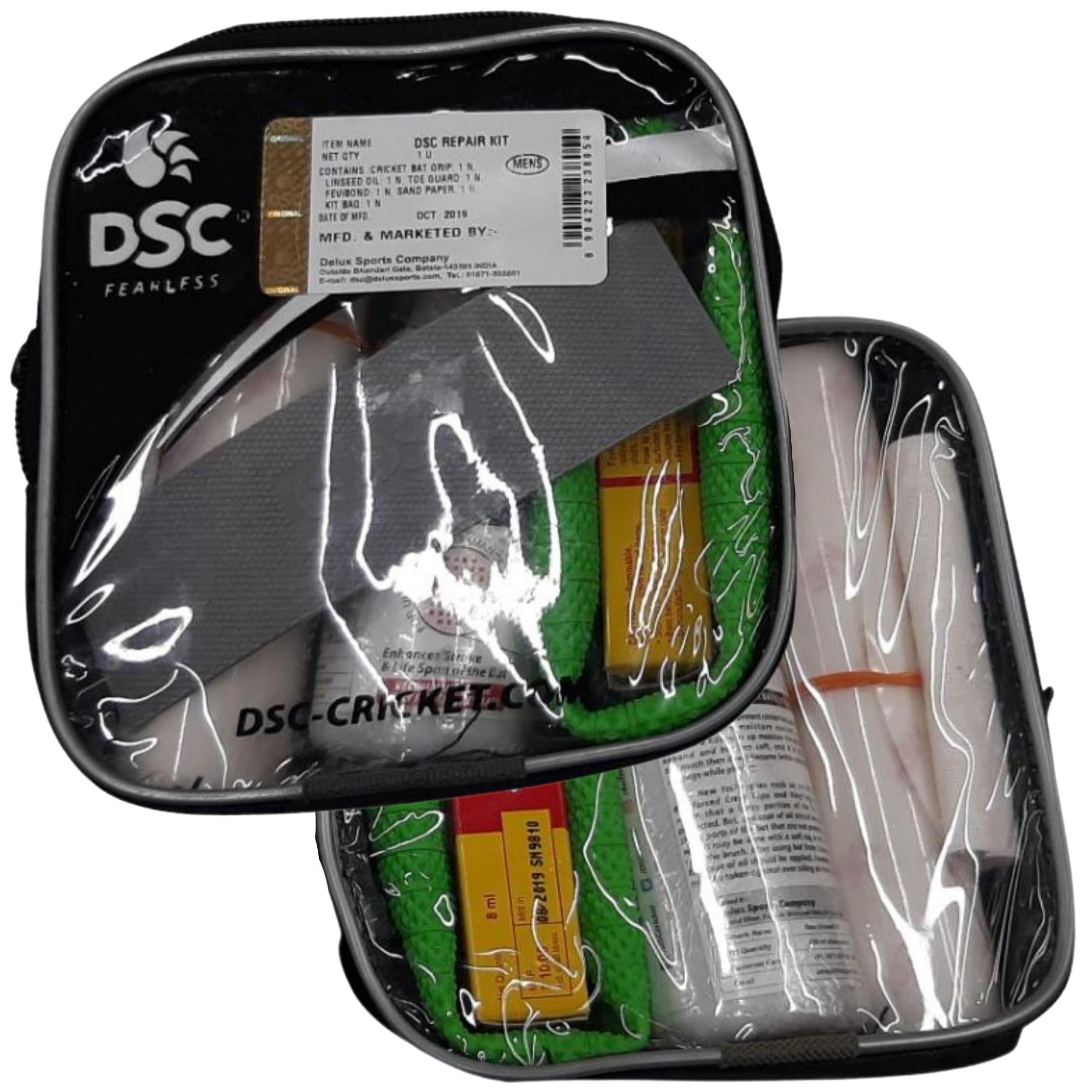
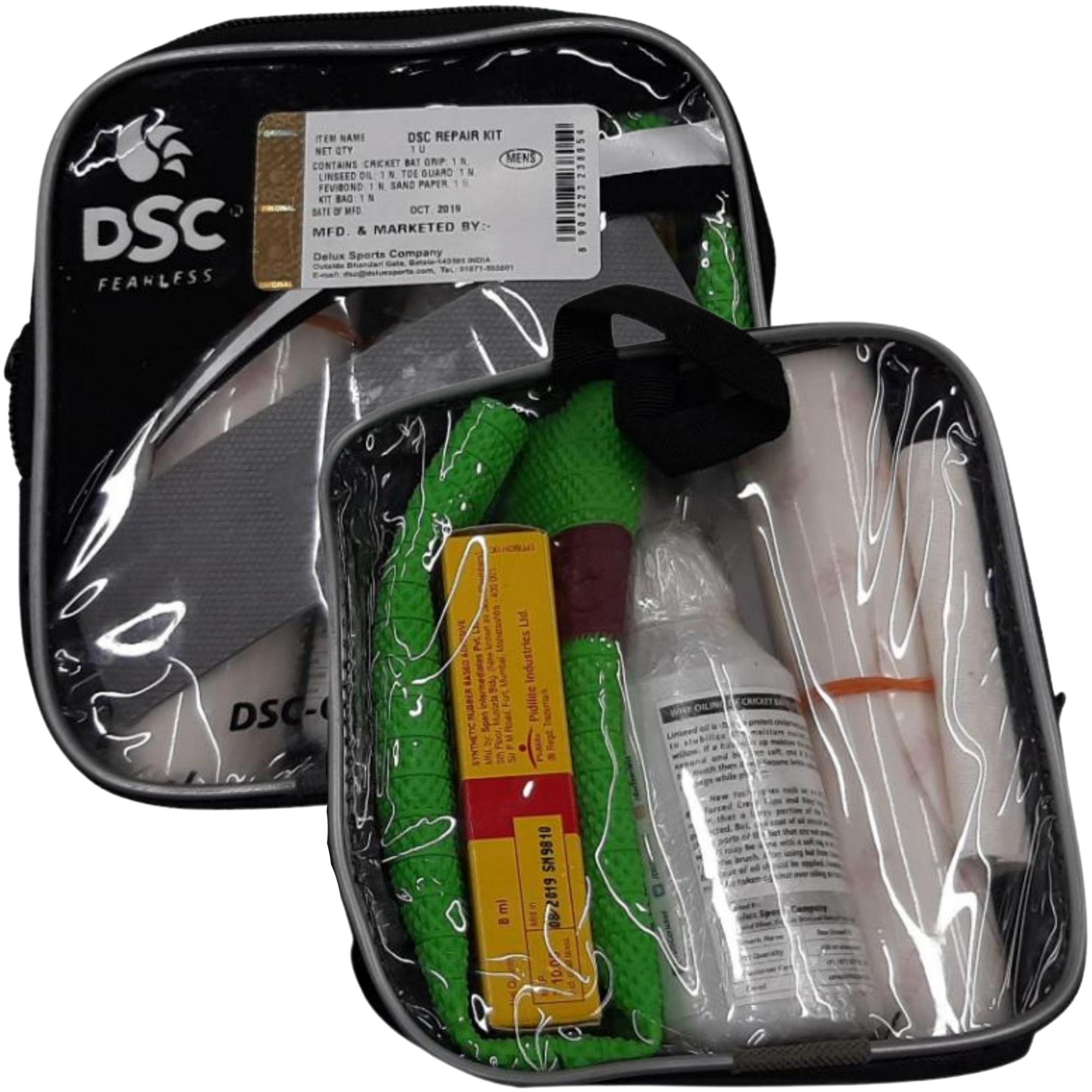






Discounted Bat Knocking Service With Cricket Bat Purchase, Click Here!


Knocking Your Cricket Bat: A Comprehensive Guide
Knocking your cricket bat is an essential process to ensure its durability, performance, and longevity. Whether you’re a professional cricketer or a casual player, understanding how to properly knock in your bat can make a significant difference in your game. Below, we’ve compiled a detailed FAQ to answer all your questions about knocking, including its benefits, drawbacks, and step-by-step instructions.
Knocking Guide & Details
Knocking is the process of compressing the fibers of a cricket bat’s willow blade to strengthen it and prepare it for use with a leather cricket ball. This is done by repeatedly striking the bat’s surface with a wooden mallet or using a specialized knocking machine. The process helps to harden the bat, reduce the risk of cracking, and improve its overall performance.
Modern cricket bats are made from English Willow or Kashmir Willow, which are naturally soft woods. While this makes the bat lightweight and responsive, it also makes it prone to damage when struck by a hard leather ball. Knocking helps to:
- Compress the fibers of the willow, creating a protective layer.
- Prevent cracking and splitting, especially on the edges and toe.
- Enhance durability and extend the bat’s lifespan.
- Improve performance by creating a larger sweet spot and better rebound.
Without knocking, a new bat is at risk of breaking during its first few uses, especially when facing hard leather balls.
Pros of Knocking
- Increased Durability: Knocking strengthens the bat, making it less likely to crack or break.
- Better Performance: A well-knocked bat has a larger sweet spot and improved rebound.
- Cost-Effective: Properly knocking your bat can save you money by extending its lifespan.
- Customization: Hand knocking allows you to focus on specific areas of the bat that need extra attention.
Cons of Knocking
- Time-Consuming: Knocking can take several hours or even days to complete.
- Physical Effort: Hand knocking requires significant effort and can be tiring.
- Risk of Over-Knocking: Excessive knocking can damage the bat, especially if done incorrectly.
- Machine Limitations: Machine knocking may not cover all areas of the bat, such as the edges and toe.
Steps of Knocking Process
- Why Oil? Oiling moisturizes the willow, preventing it from drying out and cracking.
- How to Oil: Apply 2-3 tablespoons of raw linseed oil evenly to the face, edges, and back of the bat. Avoid oiling the handle, splice, and label.
- Drying Time: Let the bat dry horizontally for 24 hours. Repeat the oiling process 2-3 times if the bat is new or lacks a protective cover.
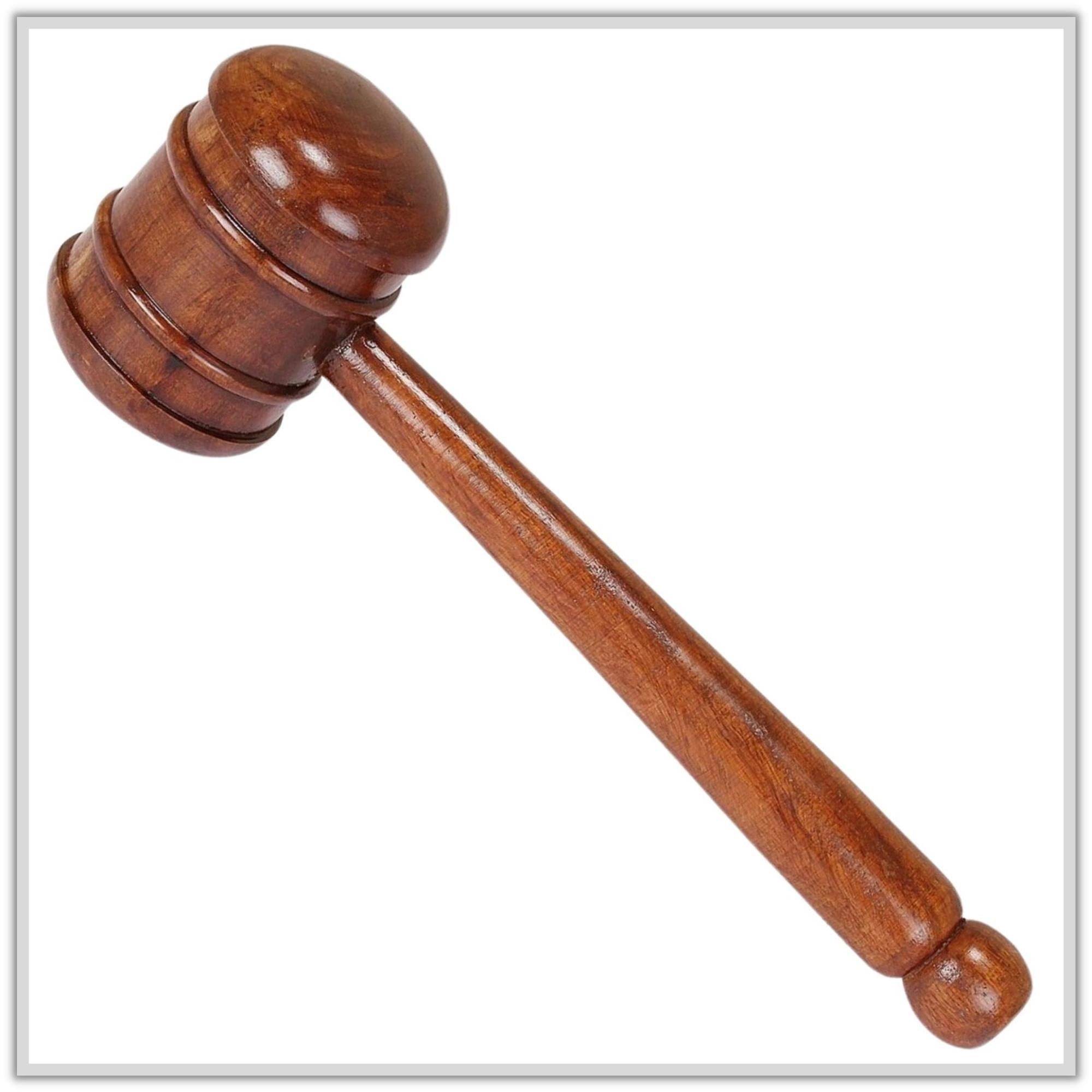
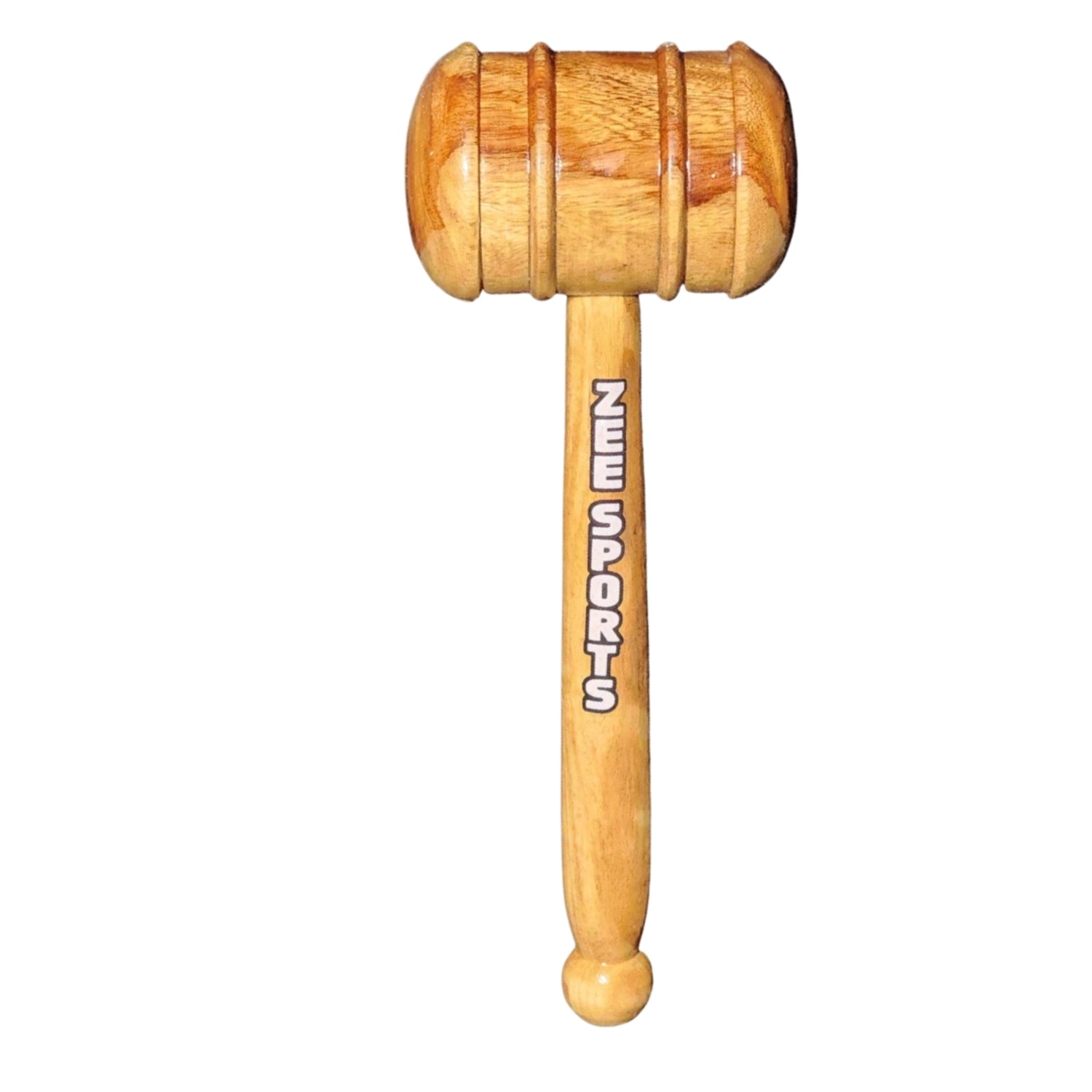
- Tools Needed: A wooden cricket mallet or hammer mallet.
- Process: Start by gently tapping the edges of the bat at a 45-degree angle. Gradually increase the force as you move to the face and toe.
- Duration: Spend 2-3 hours on this stage, focusing on rounding the edges and compressing the face.
- Re-Oil: After 3-4 hours of knocking, apply a thin layer of oil to keep the bat moisturized.
- Continue Knocking: Use the mallet to knock the bat for another 2-3 hours, focusing on the toe and edges.
- Test the Bat: Bounce a leather ball on the bat’s surface. If no seam marks or dents appear, the bat is ready.
- Optional Protection: Apply fiber tape to the edges and an anti-scuff sheet to the face for added durability.
- Soft Practice: Use an old leather ball to gently play with the bat, gradually increasing the intensity.
- Net Sessions: Test the bat in net sessions before using it in a match.
Machine vs Hand Knocking
- Pros: Faster, more consistent, and requires less physical effort.
- Cons: May miss critical areas like the edges and toe. Requires additional hand knocking for optimal results.
- Pros: Allows for precise control and customization. Ensures all areas of the bat are properly compressed.
- Cons: Time-consuming and physically demanding.
FAQs About Knocking
- Knocking typically takes 6-8 hours, spread over several days. For optimal results, some bats may require up to 20,000 knocks.
- Yes, but machine knocking should be followed by hand knocking to ensure all areas of the bat are properly compressed.
- Yes, even pre-pressed bats require knocking to further compress the fibers and prepare them for match use.
- Without knocking, your bat is at risk of cracking, splitting, or breaking during use, especially when facing hard leather balls.
- While possible, using a ball is less effective than a mallet and may leave seam marks on the bat.
Knocking your cricket bat is a vital step in ensuring its durability and performance. Whether you choose to knock by hand or use a machine, the process requires time, effort, and attention to detail. By following the steps outlined above, you can prepare your bat for the rigors of the game and enjoy optimal performance on the pitch. Remember, a well-knocked bat is not just an investment—it’s your best ally on the field!