


How to Knock In a Cricket Bat: Step-by-Step Guide (Plus Oiling)
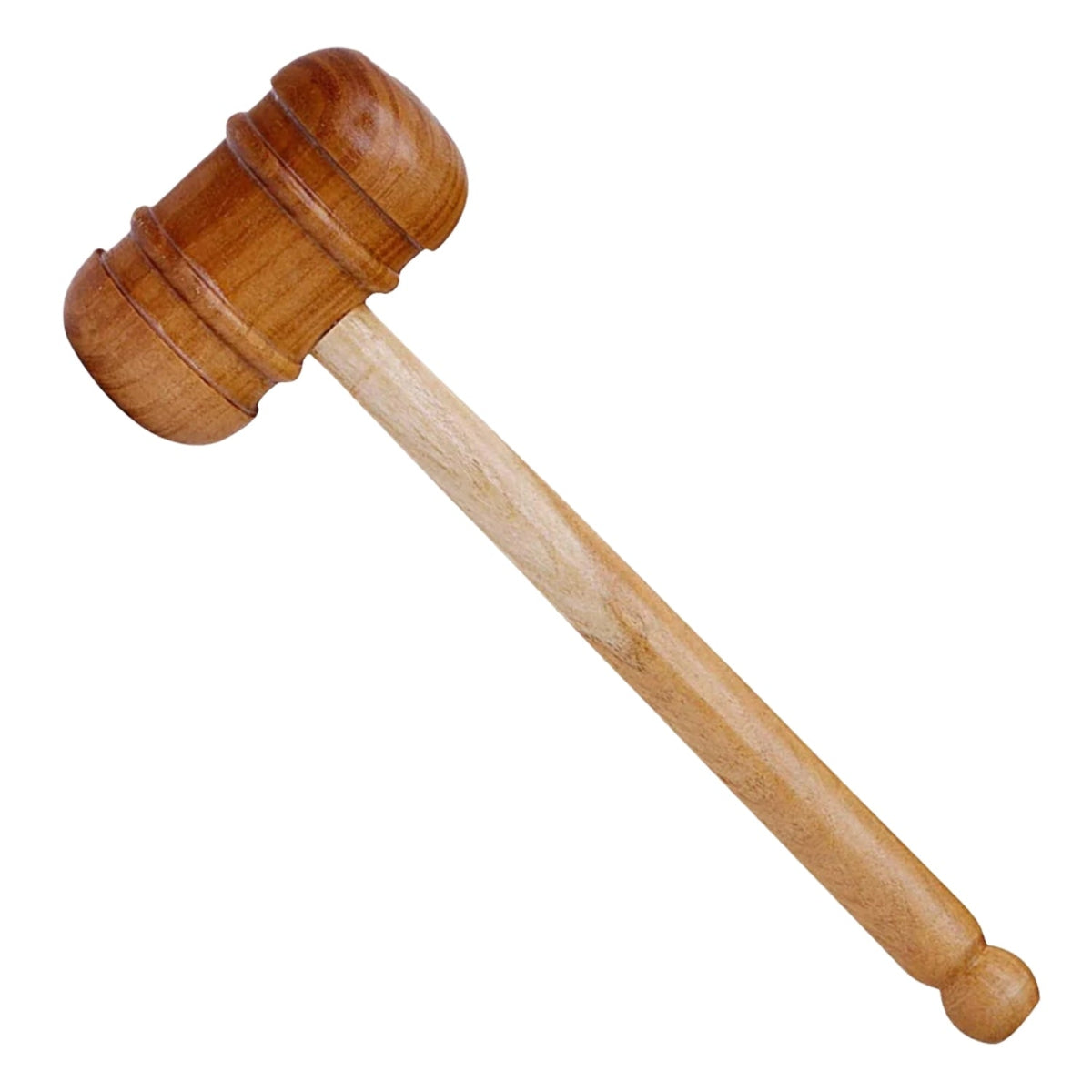
A new willow bat is not ready to face a leather ball straight off the shelf. Knocking in compresses the fibres of the face and edges so they can absorb the impact of a hard ball without cracking. Skip it and even a premium bat can be damaged in its first net session. This guide covers oiling, knocking in with a mallet or ball, how long it takes, and how to tell when the bat is ready.

What knocking in does
Willow is a soft, fibrous timber. Repeated, controlled blows press those fibres together, forming a tougher outer layer on the face and edges. A well-knocked bat resists cracks, plays more consistently, and keeps its performance for longer.
Check the label first
Some bats are sold as pre-knocked or pre-prepared. Pre-knocking reduces the work but most makers still recommend extra knocking in. Follow the manufacturer's instructions where they differ from this guide.
What you need
- A wooden bat mallet (knocking hammer) or an old, good-quality leather ball.
- Raw linseed oil, if the bat is not already sealed or covered.
- A soft cloth.
- Fine sandpaper (optional, for tidying the face).
- Time: plan for several hours of knocking, spread over multiple sessions.
See all knocking tools and bat care.
Step 1: Oil the bat (if it is unfinished)
Many bats arrive with a protective covering, film or anti-scuff sheet. If yours has one, do not oil the covered areas; check the manufacturer's guidance. For a bare bat:
- Apply a thin coat of raw linseed oil to the face, edges and toe with a cloth. Avoid the splice and the stickers.
- Lay the bat flat, face up, and let it dry for roughly 24 hours.
- Apply a second light coat if the wood looks dry, then let it dry again.
Less is more
Over-oiling makes willow heavy and can soften the wood. A thin, even coat is enough. Never stand the bat on its toe in oil.
Step 2: Knock in the face
Start gently. Strike the face with the mallet using light taps, gradually increasing force over the first session. Work across the whole hitting area, concentrating on the middle where the ball will meet the bat most often.
- Keep the mallet face parallel to the bat face.
- Avoid hitting the splice or the very top of the blade.
- Build force gradually over sessions, not in one go.
Step 3: Round off the edges and toe
The edges and toe are where cracks usually begin. Do not strike them square on. Instead, hit at roughly 45 degrees so the edge gradually rounds. Work the toe with gentle taps, as it is especially vulnerable to damage and moisture.
Step 4: Test with an old ball
Once the face feels firm and the edges rounded, start hitting short catches or throw-downs with an old leather ball, then move to soft net sessions. Inspect the face after each session. Small seam marks are normal; deep indentations or cracks mean more knocking is needed.
| Stage | What to do | Watch for |
|---|---|---|
| Oiling | 1–2 thin coats, dry flat | Sticky surface = too much oil |
| Light knocking | Gentle taps across face | Even sound across blade |
| Firm knocking | Increase force, round edges | No deep dents |
| Ball testing | Old ball, throw-downs | Seam marks only, no cracks |
| Net sessions | Soft nets with older balls | Hairline cracks → knock more |
Knocking in without a mallet
You can knock in with an old leather ball placed in a sock, swung against the face, or by repeatedly bouncing an old ball on the face. It is slower and less even than a mallet, but works if done patiently. A dedicated mallet gives more control, particularly on the edges.
How long does knocking in take?
Expect several hours in total, spread over days. Many makers suggest somewhere around six hours, but the timber, grade, and any pre-preparation all affect it. The bat is ready when firm strikes with the mallet leave little or no mark and an old ball leaves only light seam impressions.
For ongoing maintenance, read our cricket bat care guide and how to repair a damaged cricket bat.
Common knocking-in mistakes
- Starting too hard. Heavy blows on fresh willow can dent or crack it. Begin with light taps.
- Hitting edges square on. Always strike edges at an angle to round them gradually.
- Soaking the bat in oil. Excess oil adds weight and deadens the wood.
- Rushing to the nets. Facing new leather balls at full pace before the bat is ready is the most common cause of early cracks.
- Ignoring the toe. Keep the toe dry and avoid tapping it on hard ground.
After knocking in: keeping the bat in shape
Knocking in is not a one-off. Over a season, keep using older balls in practice where possible, and inspect the face and edges regularly. If a small surface crack appears, it is usually a sign to give that area some extra light knocking rather than a reason to retire the bat. Larger cracks, especially around the toe or handle, need proper repair.
At the end of a season, clean the bat, apply a very light coat of oil to any exposed willow if it looks dry, and store it somewhere cool and dry, lying flat or hanging, rather than in a hot car or damp shed.
Repair kits
A bat repair kit helps with minor edge and toe issues. Browse the options in our knocking tools collection.
Knocking-in schedule at a glance
A simple plan many players follow: one or two days for oiling and drying; three or four short sessions of light, then firmer, mallet work; then a week of throw-downs and soft nets with older balls before facing new balls at full pace. Short, regular sessions beat one long session.
Frequently asked questions
Do I need to knock in a tennis ball bat?
Bats made for tennis or tape-ball cricket are not designed for leather balls, and generally do not require traditional knocking in. Check the product details.
Can I over-knock a bat?
Excessive force, especially early on, can damage the willow. Build up gradually and focus on technique rather than power.
Should I oil a bat with an anti-scuff sheet?
Do not oil areas covered by a sheet or film. Oil only exposed willow, and follow the manufacturer's guidance.
How often should I oil my bat?
Usually only lightly, when the exposed willow looks dry, and typically at the start and end of a season.
Is a pre-knocked bat ready to use?
Pre-knocking shortens the process, but most players still give the bat additional knocking and gentle ball work before matches.
Get your new bat match-ready with the right preparation kit.
Shop knocking tools
Leave a comment
This site is protected by hCaptcha and the hCaptcha Privacy Policy and Terms of Service apply.