

Article: Cricket Shoes Guide: Spikes vs Rubber Studs and How to Choose

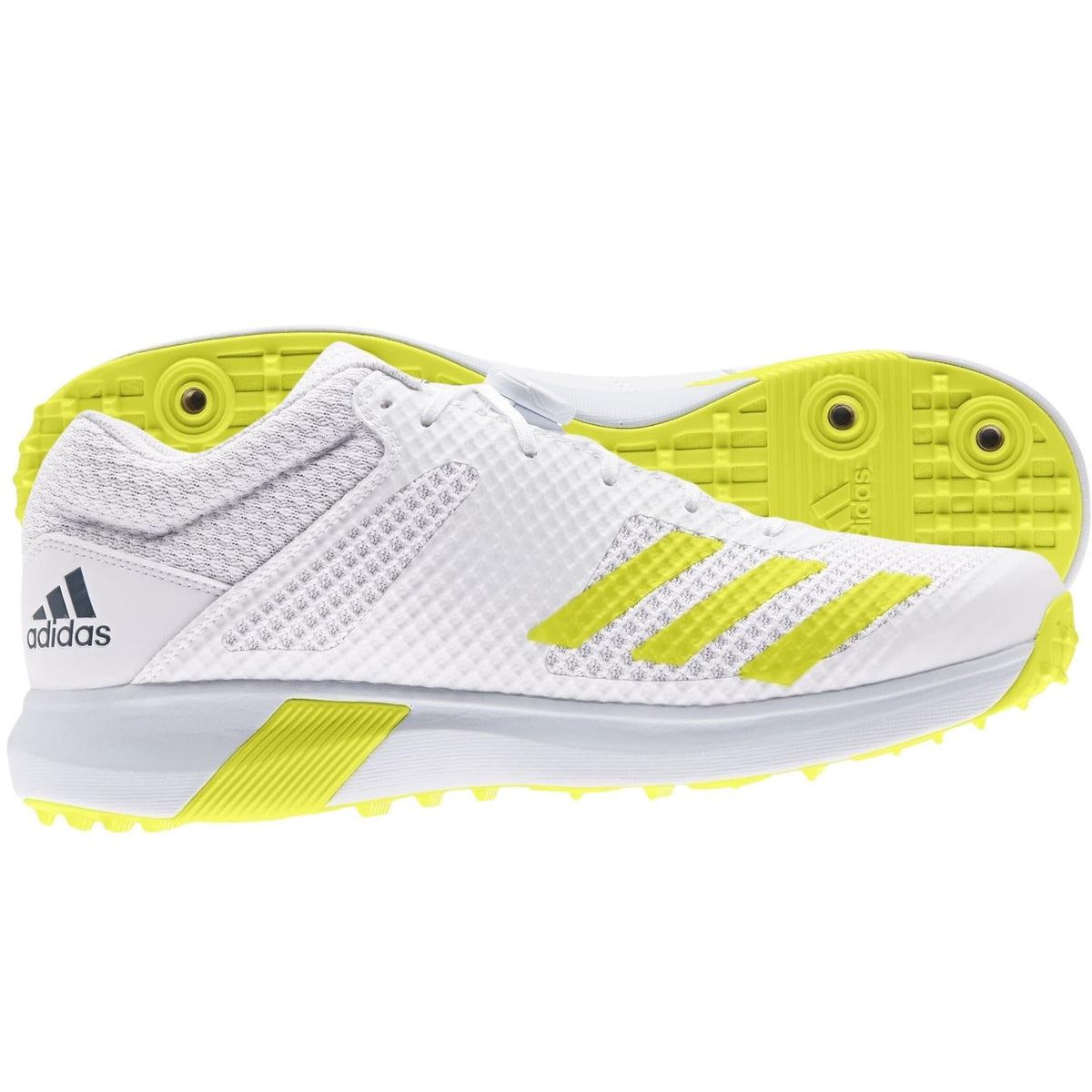
Cricket Shoes Guide: Spikes vs Rubber Studs and How to Choose
Cricket asks a lot of your feet: sprinting between wickets, sudden turns in the field, and, for bowlers, repeated heavy landings. The right shoe gives grip on grass and stability through every movement. Here is how to choose between spikes and rubber studs, what bowlers need, and when a general sports shoe is enough.

Spikes vs rubber studs
| Metal spikes | Rubber studs / rubber spikes | |
|---|---|---|
| Grip on grass | Maximum, especially on damp outfields | Good on dry grass and firm ground |
| Comfort over long periods | Can feel firm | Usually more cushioned |
| Surfaces | Natural grass | Grass, artificial turf, mats, hard ground |
| Best for | Fast bowlers, regular grass-field play | Batters, all-rounders, practice, tennis/tape ball |
Many players own both: spikes for match days on grass, rubber soles for nets, artificial pitches and tennis-ball cricket.
Why do cricket shoes have spikes?
Grass outfields and run-ups can be slippery, especially in the morning or after rain. Spikes bite into the turf, so bowlers can plant their front foot safely and fielders can change direction without sliding. Batters benefit when running quick singles and turning at the crease.
Batting, bowling and all-rounder shoes
Bowling shoes
Built for the heavy forces of a delivery stride. They often have a mid-cut upper for ankle support, a reinforced toe, and spikes in the forefoot and heel.
Batting shoes
Lighter and more flexible, often with half spikes or rubber studs for quick movement.
All-rounder shoes
A middle ground for players who bat, bowl and field. Rubber-spike all-rounders are a practical first pair.

Zee Sports Allrounder Cricket Shoes Rubber Spikes Gel Insoles
An all-rounder shoe from our own range, listed with rubber spikes and gel insoles.
View productCan I play cricket in running shoes?
For casual, tennis-ball or indoor cricket, a supportive trainer is fine. For regular matches on grass, running shoes lack lateral support and grip and wear out quickly from dragging the toe. Fast bowlers in particular should use proper cricket shoes. Running in cricket spikes on pavement is not recommended either: it damages spikes and can be unstable.
Tape and tennis ball
For tennis-ball cricket on hard ground or turf, rubber-soled cricket or court shoes give the best mix of grip and comfort.
Getting the fit right
- Try shoes on with the socks you play in; many cricketers wear thick socks.
- Leave a thumb's width at the toe, especially for bowlers whose feet slide forward on landing.
- The heel should not lift as you walk.
- Check that the midfoot feels supported when you turn sharply.
Why are cricket shoes white?
Traditional cricket clothing is white, and many competitions playing with a red ball still require white clothing, so white shoes stayed standard. Coloured shoes are common in coloured-clothing formats and practice, but check your league's clothing rules.
Looking after your shoes
Knock off mud after play, remove insoles to dry, and keep spikes tight. Replace worn studs or spikes rather than playing on them. Replacement rubber spikes are available, for example the Gray Nicolls rubber replacement spikes. Browse all cricket shoes.
Bowling shoe features explained
Mid-cut uppers
A higher collar around the ankle can add support during the twisting landing of a delivery stride. Many fast bowlers prefer mid-cut shoes; others like low-cut for freedom of movement.
Toe protection
Bowlers who drag their back foot through the delivery wear out the toe quickly. Reinforced toes or toe caps extend a shoe's life.
Cushioning
Heel and forefoot cushioning helps absorb the impact of landing repeatedly. Some shoes use gel or foam insoles; check each listing for details.
Choosing by surface
| Surface | Recommended sole |
|---|---|
| Natural grass, damp | Full metal spikes |
| Natural grass, dry and hard | Half spikes or rubber studs |
| Artificial turf / mat pitch | Rubber studs or rubber spikes |
| Indoor nets | Flat rubber sole |
| Concrete / hard courts (tennis ball) | Rubber sole with good grip |
Many leagues in the US play on artificial pitches with grass outfields, so rubber-sole shoes are a versatile choice for batters and fielders, with spikes reserved for bowlers on grass run-ups.
Shoe care and spike maintenance
Check spikes before every match and tighten any that have loosened. Replace worn spikes in sets so grip is even. Let shoes dry naturally away from heaters, which can warp soles and crack uppers. Stuffing them with newspaper speeds drying and helps them keep their shape.
Carry a spike key
A spike key and a few spare spikes in your kit bag can save a match day.
Sizing and socks
Cricket shoes generally follow standard shoe sizing, but fit varies between brands and lasts. Players with wide feet should look for models described as wide-fit, or try a half size up. Thick cricket socks add cushioning and reduce blisters, so always try shoes with the socks you will play in. Break new shoes in during nets before wearing them for a full day in the field.
Shoes for juniors
Juniors grow fast and often play on a mix of surfaces. A rubber-soled cricket shoe is the most practical first pair: comfortable, versatile and suitable for artificial pitches and practice. Move to spikes when a young bowler starts bowling seriously on grass.
Quick checklist
Right sole for your surface, thumb's width at the toe, firm heel, supportive midfoot, and comfort with your playing socks.
Final buying advice
Start with the surface you play on most and the role you play. A batter or all-rounder on artificial pitches will get the most from a comfortable rubber-soled shoe. A bowler on grass run-ups should invest in a supportive spiked shoe. If you play both, two pairs are better than one compromise. Whatever you choose, comfort over a long day matters as much as grip, so prioritise fit.
Frequently asked questions
What shoes should I wear for cricket?
Cricket shoes with spikes for grass matches, or rubber-soled cricket shoes for turf, mats, practice and tennis-ball cricket.
Why do cricket shoes have spikes?
For grip on grass, so bowlers can land safely and batters and fielders can turn quickly without slipping.
Can I use running shoes for cricket?
For casual or tennis-ball play, yes. For regular grass matches and fast bowling, proper cricket shoes give better grip and support.
What are the best shoes for fast bowlers?
Mid-cut bowling shoes with full spikes, a reinforced toe and firm heel support.
What shoes are best for tape ball cricket?
Rubber-soled cricket or court shoes that grip on hard surfaces.
Can I wear cricket shoes casually or for running?
Rubber-soled models can be worn casually, but they are not designed as running shoes. Avoid walking on hard surfaces in metal spikes.
Find shoes built for your role and your surface.
Shop cricket shoes
Leave a comment
This site is protected by hCaptcha and the hCaptcha Privacy Policy and Terms of Service apply.