


Cricket Fielding Positions Explained (With Field Map Guide)
Fielding positions in cricket have names that baffle newcomers: slip, gully, silly point. Once you understand off side, leg side and distance from the bat, the map makes sense.

Off side and leg side
For a right-handed batter, the off side is the side they face (to their right as they look down the pitch), and the leg side (also on side) is behind their legs. For a left-hander, these swap, so the whole field mirrors.
Distance terms
| Term | Meaning |
|---|---|
| Silly | Very close to the batter |
| Short | Closer to the batter than the standard position |
| Deep / long | Near the boundary |
| Fine | Closer to the line of the pitch, behind the batter |
| Square | Roughly level with the batter, at right angles to the pitch |
Off-side positions
| Position | Where |
|---|---|
| Wicket-keeper | Behind the stumps |
| Slips (1st, 2nd, 3rd) | Beside the keeper on the off side, for edges |
| Gully | Squarer than the slips, close in |
| Point | Square on the off side |
| Cover | Between point and mid-off |
| Mid-off | Off side, near the bowler |
| Third man | Deep, fine on the off side |
| Deep cover / long-off | Boundary positions |
Leg-side positions
| Position | Where |
|---|---|
| Leg slip | Fine, close on the leg side |
| Short leg | Very close, in front of square |
| Square leg | Square on the leg side |
| Midwicket | Between square leg and mid-on |
| Mid-on | Leg side, near the bowler |
| Fine leg | Deep, behind square on the leg side |
| Deep midwicket / long-on | Boundary positions |
Only nine to place
With the bowler and keeper fixed, a captain places nine fielders. Law 28.4 also allows no more than two fielders behind the popping crease on the on (leg) side at the moment of delivery.
Powerplays
In limited-overs cricket, playing conditions restrict how many fielders can be outside the inner 30-yard circle during powerplay overs, so captains bring fielders in. Exact limits depend on the competition.
Fielding gear
Close fielders such as short leg wear a helmet and abdominal guard. For practice, catching gloves and training balls help. See coaching and practice.
Setting a field: the basics
Captains set fields to match the bowler and the situation. An attacking field for a fast bowler with a new ball might include several slips and a gully to catch edges. A defensive field spreads fielders to the boundary to stop fours and sixes. Spinners often use close catchers such as short leg or silly point, plus sweepers on the boundary.
Fields also change for left-handed batters, mirroring across the pitch. That is why field changes happen when batters with different hands rotate strike.
Fielding skills to practise
- Catching: high catches, flat catches and slip catches each need practice.
- Ground fielding: attacking the ball and a clean pick-up.
- Throwing: accurate returns to the keeper or bowler's end.
- Backing up: covering overthrows at the stumps.
Practice gear
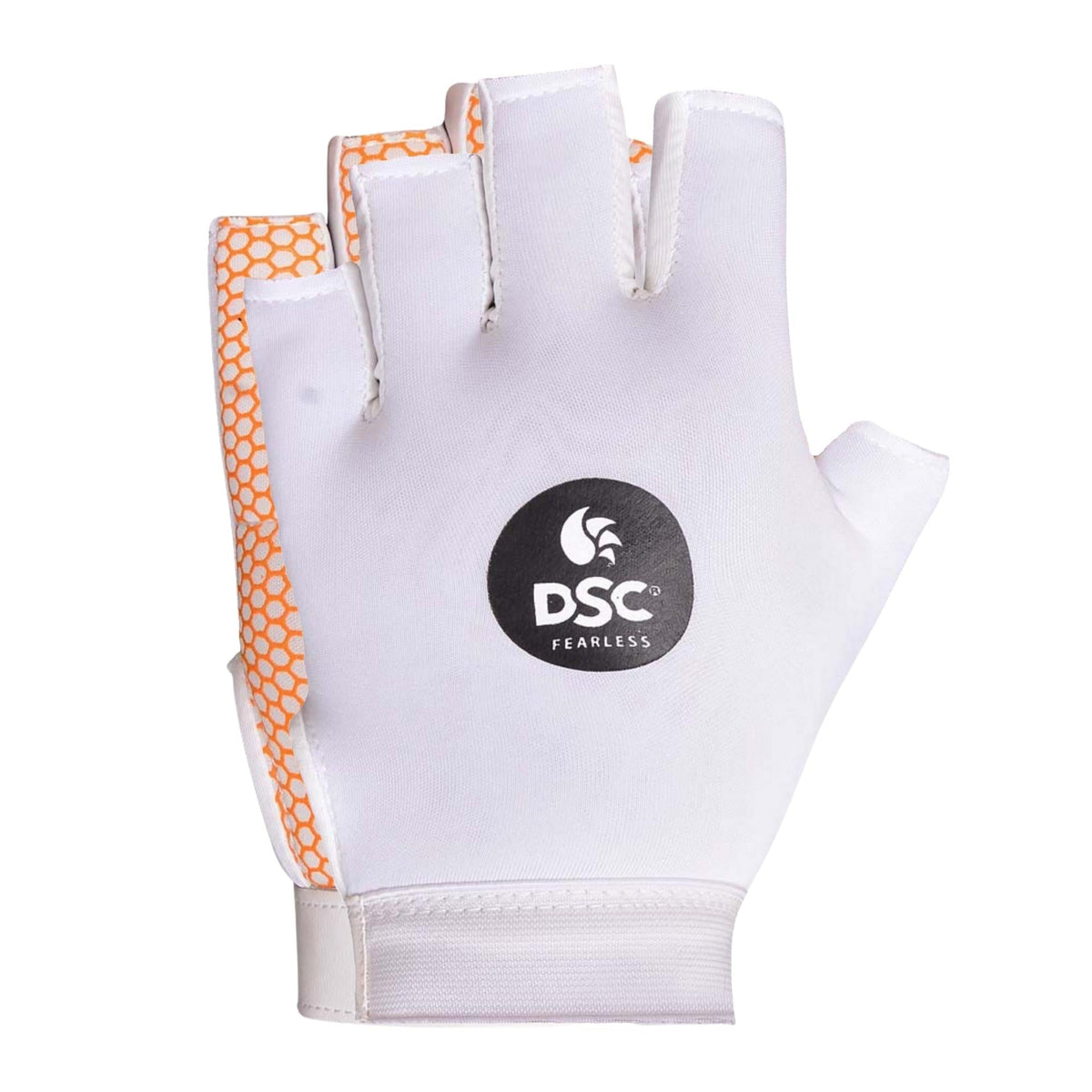
Catch-practice gloves let coaches feed hard catches repeatedly without hand strain.
A beginner's field placement
For a typical medium-pace bowler to a right-handed batter in club cricket, a balanced field might include: wicket-keeper, one slip, gully or point, cover, mid-off, mid-on, midwicket, square leg and fine leg. This covers the most common scoring areas and leaves one catcher behind the bat. Captains then adjust based on the batter's strengths and the bowler's line.
| Bowler type | Typical attacking positions |
|---|---|
| Fast, new ball | Several slips, gully, short leg |
| Medium pace | One or two slips, cover, midwicket |
| Off-spin to right-hander | Short leg, silly point, slip, midwicket |
| Leg-spin | Slip, short leg, deep cover, long-on |
Fielding for left-handers
For a left-handed batter, every position mirrors across the pitch. Slips stand to the keeper's left (from the keeper's view) instead of the right, and leg-side positions move accordingly. When strike rotates between a right- and left-hander, the field has to change, which takes time and is something captains plan for.
Wicket-keeper: the key fielder
The wicket-keeper is the only fielder allowed to wear gloves and external leg guards. Keepers take catches, stumpings and run outs, and organise the field. Read about keeping gloves vs batting gloves and browse wicket keeping gear.
Inner circle and boundary riders
In limited-overs cricket, the inner circle (commonly 30 yards from the stumps) divides "in" fielders from "out" fielders. Boundary riders patrol deep positions to stop fours and take catches. Fielders in the circle save singles. Captains juggle these depending on the powerplay and match situation.
Positions glossary
| Name | Also known as / note |
|---|---|
| Long stop | Fine behind the keeper, rare in senior cricket |
| Fly slip | Deep, between slips and third man |
| Cow corner | Informal: deep, between long-on and deep midwicket |
| Short third man | Closer version of third man |
| Leg gully | Leg-side equivalent of gully |
| Silly point | Very close on the off side |
Practising fielding at home
You can improve fielding with simple drills: catching a tennis ball off a wall, underarm throws at a single stump, and ground-fielding pick-ups with a partner. Catching gloves and soft training balls let you practise hard catches safely. Consistent practice builds the reflexes needed for close catching positions like slip and gully.
See our coaching and practice gear for catching gloves and training equipment.
Quick answers on fielding
Where does the best fielder stand?
Often at point, cover or midwicket, where many shots go.
What is the slip cordon?
The group of slip fielders beside the keeper.
Why is it called gully?
It sits in the gap (gully) between slips and point.
Do fielders need gloves?
Only the wicket-keeper may wear gloves in the field.
Communication in the field
Good fielding sides talk constantly. Calling clearly for catches prevents collisions, and backing up throws at the stumps saves overthrows. Captains signal field changes between deliveries, and fielders should check their position before every ball. Simple habits like walking in with the bowler keep fielders alert and ready to react.
Positions and safety
Close-in positions such as short leg and silly point carry real risk from hard shots. Players fielding there should wear a helmet and abdominal guard, and juniors should only field close in when coaches and league rules allow it. Many junior competitions set minimum distances for close fielders. Coaches can use cones to mark these distances during practice so young players learn safe positions from the start.
Frequently asked questions
What are the fielding positions in cricket?
Common positions include slips, gully, point, cover, mid-off, mid-on, midwicket, square leg, fine leg and third man, plus their deep and close variations.
What is gully in cricket?
A close catching position on the off side, squarer than the slips.
How many fielders can be behind square on the leg side?
No more than two may be behind the popping crease on the on side at the moment of delivery (Law 28.4).
What does silly mean in fielding?
Very close to the batter, as in silly point or silly mid-on.
Sharpen your fielding.
Shop practice gear
Leave a comment
This site is protected by hCaptcha and the hCaptcha Privacy Policy and Terms of Service apply.