

%20protect%20the%20shin,%20knee%20and%20lower%20thigh%20from%20a%20hard%20ball.%20The%20right%20pair%20should%20feel%20secure%20without%20restricting%20your%20running%20between%20the%20wickets.%20This%20guide%20covers%20pad%20size...)
Cricket Batting Pads Guide: Sizes, Types and Fit
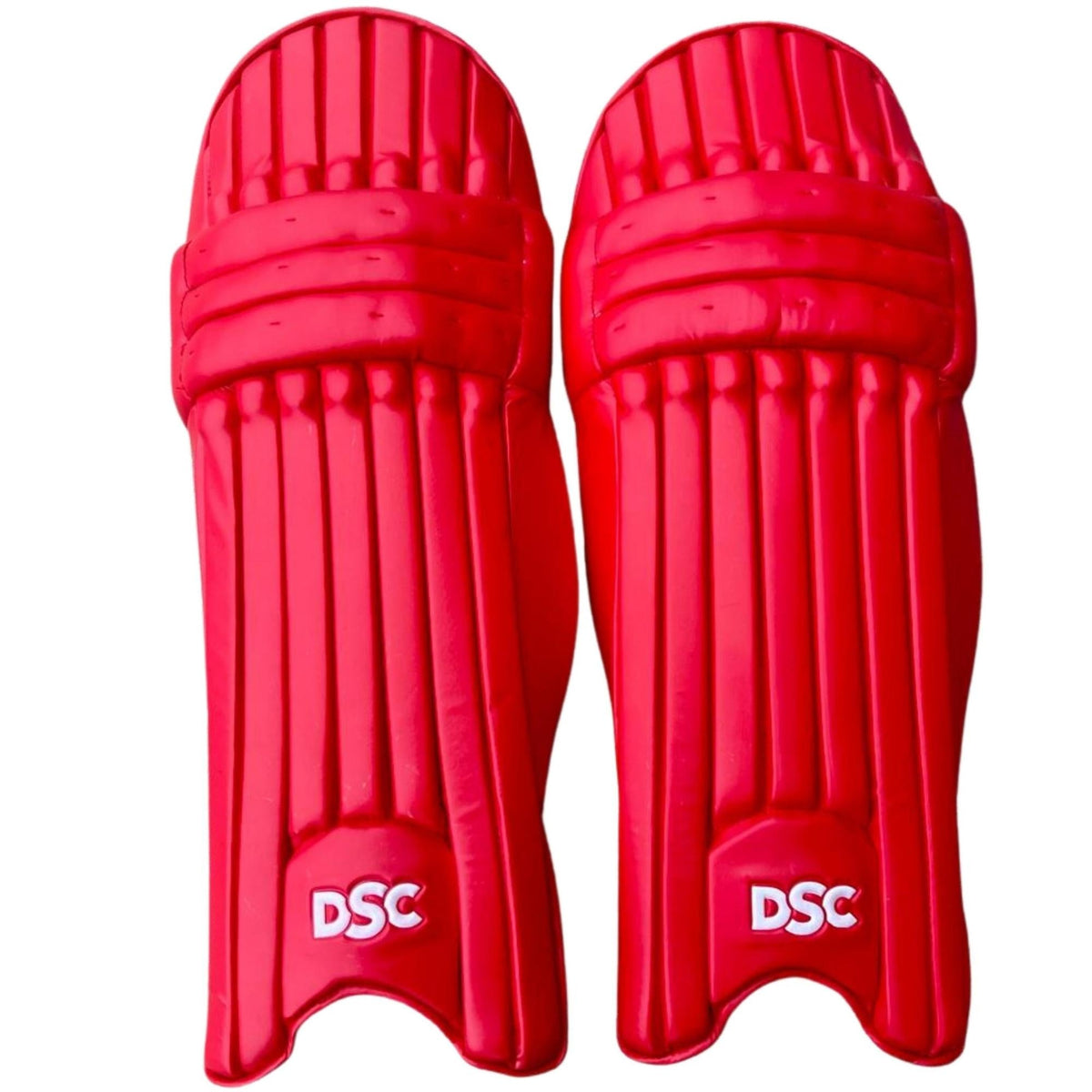
Batting pads (leg guards) protect the shin, knee and lower thigh from a hard ball. The right pair should feel secure without restricting your running between the wickets. This guide covers pad sizes for juniors and adults, the main types of pad, how to check the fit, and how to keep them clean.

How cricket pad sizes work
Pads are sized by leg length, which follows the player's height. Junior pads are usually labelled by age band or as Small Boys, Boys and Youth; adult pads come in Small Adult, Adult (often called Mens) and Large Adult. Labels differ between brands, so use height as your guide and check the chart on the product page.
| Pad size (typical label) | Approx. player height | Typical wearer |
|---|---|---|
| Extra Small / Small Boys | Under ~4'7" | Younger juniors |
| Boys | ~4'7" – 5'0" | Juniors |
| Youth | ~5'0" – 5'5" | Older juniors |
| Small Adult | ~5'5" – 5'8" | Smaller adults |
| Adult / Mens | ~5'8" – 6'1" | Most adults |
| Large Adult | ~6'1" and above | Tall adults |
Ranges vary
These ranges reflect common industry charts and are a guide only. When a player is between sizes, try both if you can.
How batting pads should fit
- Knee roll centred on the knee. The middle bolster should sit directly over the kneecap when you stand.
- Top reaches the lower thigh. The pad's top section should cover a few inches above the knee.
- Bottom sits on the foot. The base should rest over the front of the shoe without forcing the foot down or riding up the ankle.
- Straps on the outside. Straps fasten on the outer side of each leg so they do not catch each other when running.
- Freedom to run. Jog a few steps. Pads that knock together or slip need adjusting or a different size.
Types of batting pads
Traditional cane pads
Vertical cane-reinforced bolsters with cotton or synthetic fill. Many players like their familiar feel and protection.
Lightweight foam and moulded pads
Built around high-density foam and moulded shields, designed to save weight. Many modern pads combine foam with cane.
Wicket-keeping pads
Shorter and lighter, built for crouching and mobility; they are not designed for batting against fast bowling.
Strap count
Pads typically use two or three straps. Two-strap designs are lighter; three-strap designs can feel more secure on tall pads.

Zee Sports Batting Pads Double Strap GelTech White
A two-strap adult pad from our own range.
View productLeft or right: does it matter?
Standard batting pads are made in pairs that suit both right- and left-handed batters; you simply wear one on each leg with the straps on the outside. Some pads are listed as RH or LH (right- or left-handed) because they carry extra protection on the front leg's inside, which faces the bowler. If a listing shows RH or LH, choose the one that matches how you bat. The thigh pad, by contrast, is always worn on the front leg: the left thigh for a right-handed batter.
Cleaning and caring for pads
- Air pads out after every session; do not leave them zipped in a bag.
- Wipe the face with a damp cloth and mild soap; avoid soaking.
- Use a soft brush on the canvas back and straps.
- Let them dry naturally, away from direct heat.
- Check straps and stitching regularly.
Washing machines
Most pads are not designed for machine washing, which can damage padding and cane. Follow the manufacturer's care label.
Choosing your next pair
Size first, then weight and comfort, then protection level for the pace you face. Juniors should be fitted for today, not to grow into. Browse adult batting pads, youth batting pads, adult keeping pads and the full cricket pads collection.
Batting pads for juniors
Children grow quickly, so pads are the item parents are most tempted to buy big. Oversized pads are a real problem: the knee roll sits below the knee, the top flaps against the thigh, and running becomes awkward. That leads to hesitant running between the wickets and, worse, gaps in protection where the ball can strike the knee directly.
Measure from the middle of the foot to the top of the knee, compare with the brand's chart, and check the knee position with the child standing in shoes. Lightweight junior pads let young players move freely and learn to run properly. Expect to change sizes every season or two during growth spurts, and pass outgrown pads on to younger players.
Kids starting with tennis ball
Children playing only with a tennis or soft ball usually do not need full batting pads. Introduce pads when they move to a hard ball.
Weight vs protection
Modern pads are much lighter than older designs, but there is still a trade-off. Lighter pads help with running and comfort over a long innings; heavier, denser pads usually give more cushioning against fast bowling. Club batters facing medium pace often prefer a lighter pad, while openers facing the new ball against genuine pace may value extra protection.
Look at what each pad protects as well as how much it weighs. Side wings protect the inside of the front leg, which faces the bowler, and the knee roll design affects how well the pad absorbs a direct hit.
When to replace your pads
- Cracked or flattened bolsters that no longer cushion impacts.
- Straps that will not hold or buckles that slip.
- Torn facing that exposes filling.
- Pads that no longer fit after growth.
Replacing worn pads before they fail is cheaper than an injury. Keep an eye on the knee roll in particular, which takes the most punishment.
Pads and the Laws
The Laws of Cricket treat pads as part of a batter's protective equipment. Only the wicket-keeper may wear external leg guards in the field; other fielders may wear protective equipment under clothing. A ball hitting a batter's pads can lead to LBW; read our LBW guide to understand when.
Frequently asked questions
What size cricket pads do I need?
Use your height: most adults between about 5'8" and 6'1" wear Adult (Mens) pads; taller players may need Large Adult. Always check the product's chart.
What size cricket pads for a 10-year-old?
Many 10-year-olds wear Boys or Small Boys pads, but height matters more than age. The knee roll must sit on the knee.
What size are youth cricket pads?
Youth pads typically suit older juniors around 5'0"–5'5". Labels vary by brand.
Do cricket pads come in different sizes?
Yes: from small junior sizes through Youth, Small Adult, Adult and Large Adult.
Can you wash cricket pads?
Wipe them clean with a damp cloth and mild soap and let them air-dry. Avoid soaking or machine washing unless the maker says otherwise.
Which leg do cricket pads go on?
Pads are worn on both legs with straps on the outside. Pads listed as RH or LH should match your batting hand.
Find pads in your size, from youth to large adult.
Shop cricket pads
Leave a comment
This site is protected by hCaptcha and the hCaptcha Privacy Policy and Terms of Service apply.